
Our Purpose
The Thomas Jefferson Research Center International (TJRC) is an independent, treaty-recognized institution devoted to the advancement of global diplomacy, education, and cultural research. Its mission is to foster understanding among nations, strengthen academic collaboration, and uphold the principles of peace and self-determination through scholarship and dialogue.
Founded upon centuries of sovereign tradition and guided by modern research ideals, TJRC serves as a bridge between tribal, royal, and academic institutions – an alliance of history and innovation working toward a more unified global future.
Our Founders
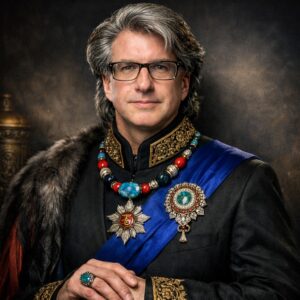
Grand Chief Donald DuVal Middleton
Multi‑Civilizational Sovereign & Institutional Founder
Indigenous • Dynastic • Ecclesiastical Continuity | Governance, Institutions, Smart Cities, Media, Sport & Education
Official Biography – Sovereign Institutions, Platforms & Global Ventures
Donald DuVal Middleton is a multi‑civilizational sovereign and institutional founder whose work spans Indigenous governance, European dynastic tradition, and ecclesiastical continuity, operating globally across media, education, sport, cultural diplomacy, smart‑city development, and community institutions.
He serves as the hereditary Grand Chief of the Hunnic Matinecock Tribal Nation, alongside his dynastic and ecclesiastical roles, anchoring his leadership in living governance and treaty‑based authority across Indigenous, European, and Asian legal traditions.
He works at the intersection of Indigenous sovereignty, dynastic statecraft, ecclesiastical stewardship, and modern institution‑building, developing platforms designed to endure beyond political cycles while serving measurable public, cultural, and institutional value across continents.
Lineage, Continuity & Responsibility
His authority and institutional standing derive from treaty traditions spanning multiple civilizations, including Indigenous compacts in the Americas, royal and dynastic treaties of Europe, and imperial‑era accords across Asia. These instruments of law and recognition form a continuous legal and diplomatic architecture that extends beyond any single nation or continent.
His lineage reflects three continuous civilizational pillars — Indigenous sachemic authority in North America, European dynastic houses, and ecclesiastical lines tied to historic institutions of learning, law, and spiritual governance. These traditions are treated not as symbolic heritage, but as functional frameworks for leadership, diplomacy, and institutional responsibility.
His family history spans documented Indigenous, European, and ecclesiastical lines, supported by archival records and modern genealogical and DNA‑based research conducted over many years and independently cross‑verified through multiple sources and methodologies. These records include royal and noble European houses, early church‑founding families, and treaty‑recognized Indigenous leadership lines.
His hereditary Indigenous lineage includes sachemic succession through Catoneras of the Montaukett–Matinecock people, alongside recognized kinship and descent within the Haudenosaunee Confederacy, Cherokee, and Choctaw nations.
He approaches lineage not as symbolism, but as responsibility: stewardship of history, lawful continuity, cultural protection, and constructive contribution to contemporary society.
Institutional Work
Grand Chief Middleton’s work centers on building durable, accountable organizations that bridge heritage with modern systems.
Key initiatives and institutions include:
- Herbert Norse Regalis (HNR) – sovereign institutional platform advancing continuity‑based development, strategic partnerships, and long‑range public‑value architecture
- Tribal Crown Studios – media and cultural production house advancing sovereign and Indigenous narratives across film, broadcasting, and digital platforms
- First Kin Media – modern continuity media brand developing storytelling, publishing, and cultural programming across platforms
- First Kin Sports – sports and community performance platform advancing leadership, discipline, and cross‑cultural exchange
- CrownCast Network – treaty‑anchored podcast and broadcast platform for sovereign, Indigenous, and global affairs
- Thomas Jefferson Research Center International (TJRC International) – education and research institute focused on history, governance, constitutional development, and cross‑civilizational study
- Joint Global Council for Peace, Financial Inclusion & Cultural Revival (JGC‑PFIC) – international policy and development council advancing cooperative frameworks in peacebuilding, institutional development, and cultural restoration
- Smart and regenerative city frameworks, including AI‑enabled public services and community healthcare architecture
His broader work includes the development of media ecosystems, sports platforms, educational programs, and community institutions grounded in transparency, collaboration, and long‑term social impact.
Areas of Focus
Across his institutional network, his work includes:
- sovereign and Indigenous media development
- education and academic collaboration
- sports and youth leadership platforms
- cultural preservation and historical restoration
- community development and public‑interest infrastructure
- cross‑border institutional partnerships
Leadership Philosophy (Multi‑Civilizational)
Grand Chief Middleton’s leadership draws simultaneously from Indigenous consensus governance, European institutional continuity, and ecclesiastical traditions of custodianship and scholarship.
Grand Chief Middleton’s approach emphasizes:
- continuity over short‑term visibility
- institutions over personalities
- collaboration over extraction
- accountability over spectacle
- and cultural dignity alongside modern innovation
He maintains that durable progress is built through trust, historical literacy, lawful structure, and measurable benefit to communities.
Personal Orientation
He is known for his long‑range institutional planning, commitment to historical accuracy, and dedication to building organizations that serve both present needs and future generations.
He divides his time between tribal leadership, institutional development, education initiatives, cultural projects, and international collaboration.
Formal Style Reference
Primary style:
Donald DuVal Middleton
Multi‑Civilizational Sovereign & Institutional Founder
Grand Chief, Hunnic Matinecock Tribal Nation
Short form:
Grand Chief Donald DuVal Middleton
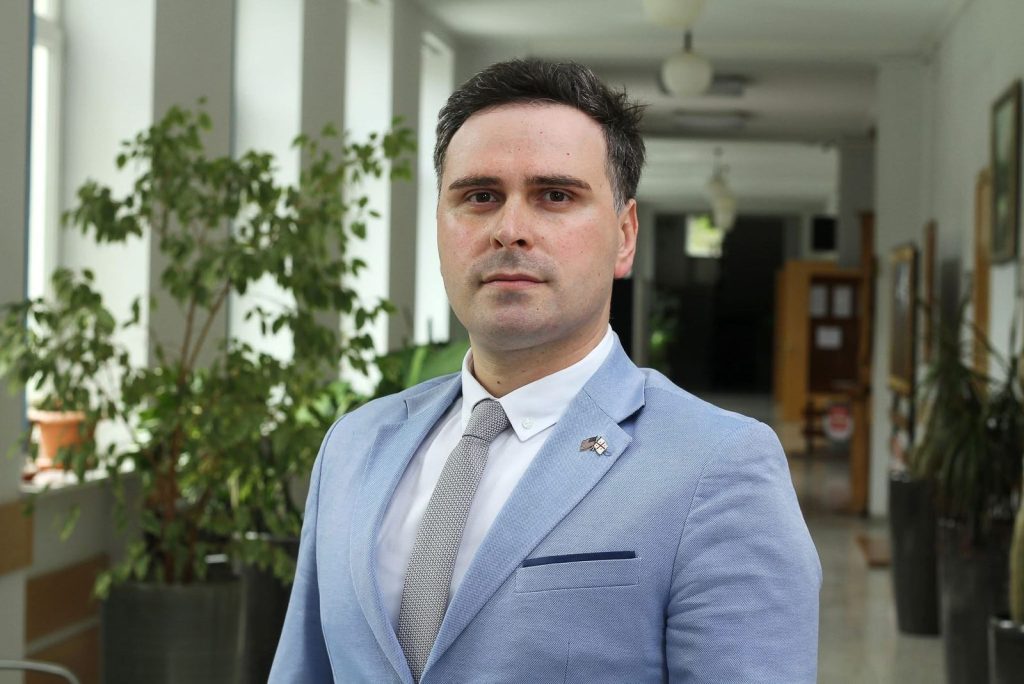
Professor Tornike Shurgulaia, Ph.D.
President & Co-Founder, TJRC International
Rector, International Academic Council
Professor Shurgulaia is a distinguished academic and global scholar specializing in diplomacy, education, and intercultural relations. His vision of research-driven diplomacy underpins TJRC’s academic charter, linking universities and governments through shared research, Peace studies, and educational reform.
Together, the founders established TJRC International as a beacon of knowledge diplomacy – a place where scholarly rigor meets sovereign cooperation.
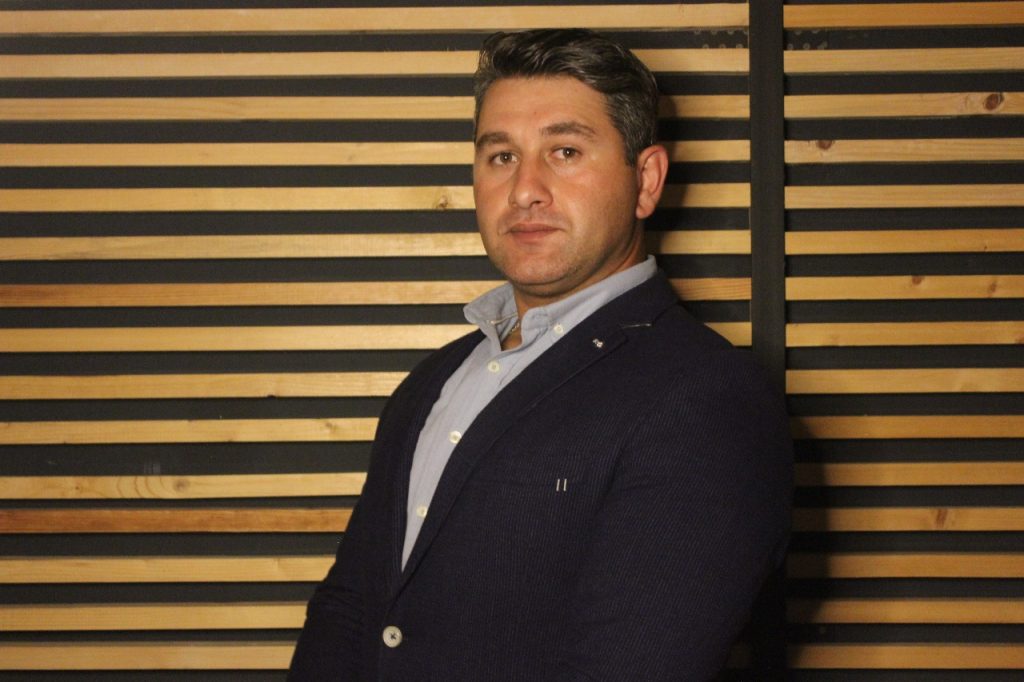
Shavleg Shelia
Mr. Shelia is a distinguished Georgian strategist, academic leader, and decorated former military officer whose career spans national defense, education, and international research. He serves on the Academic Council of the Thomas Jefferson Research Center (TJRC), where he leads Strategic Communications and heads the TJRC Academic Review. A former Staff Sergeant (S-2) in the Ministry of Defense of Georgia, Shelia is a NATO and ISAF peacekeeping veteran who has earned multiple commendation for valor, discipline, and service during missions in Afghanistan and national emergency responses. His disciplined military foundation informs his approach to leadership, crisis readiness, governance, and long-term strategic planning.
In the civil and academic sectors, Shelia has held key leadership roles, including President and Board Member of the International School of Intellect and Education (ISIE) and Junior Researcher at the Institute for Economic Research and Development (IERD). He is also a member of the Eastern Partnership Civil Society Forum with voting rights and an Honorary Professor at the Cambodian International Management University. His research focuses on leadership theory, self-governance, national security, and hybrid warfare with publications featured in respected scientific journals. Through extensive international certifications and advanced coursework — including programs with Hillsdale College, UNODC, NATO, and the U.S. Army — Shelia continues to champion value-based leadership, democratic developments, and strategic communication in service to society.
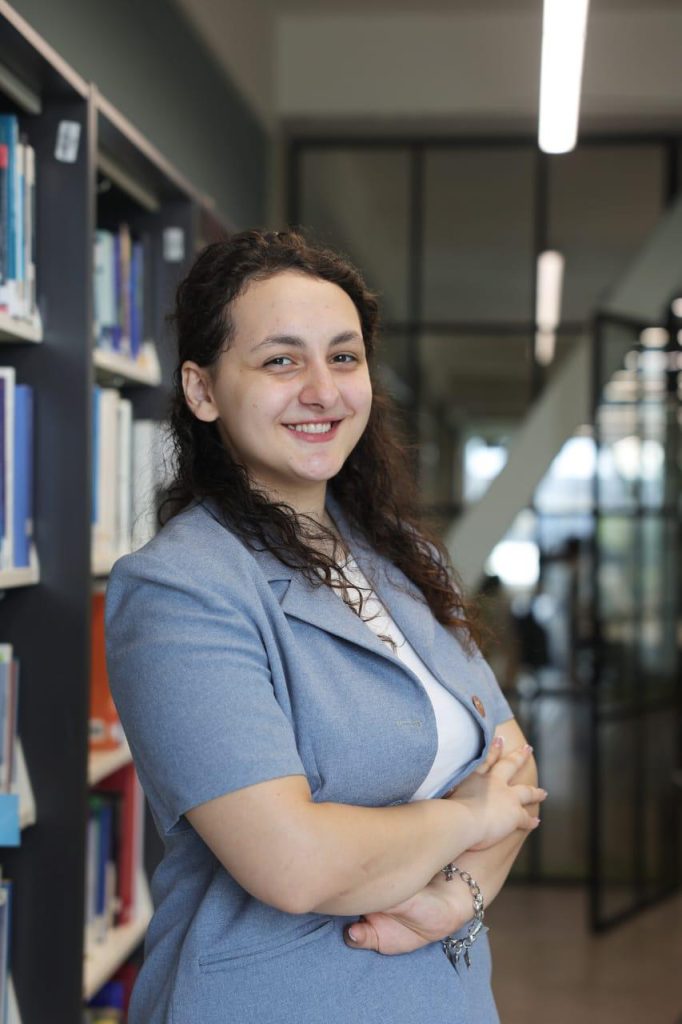
Mariam Gvazava
Ms. Gvazava is a dedicated finance student at Georgian National University (SEU), specializing in business and technology. With strong analytical and research skills, she has gained experience as a Financial Analyst at the Thomas Jefferson Research Center (TJRC) and served on SEU’s Business Club Organizing Committee.
She has participated in international scientific conferences in Greece and Turkey and co-authored research published in Georgia’s 6th Business Case Analysis and Simulation Competition and completing multiple certifications in leadership, accounting, taxation, and national security studies.
Driven, detail-oriented, and committed to continuous professional development, Ms. Gvazava brings a disciplined approach to finance, research, and project coordination.
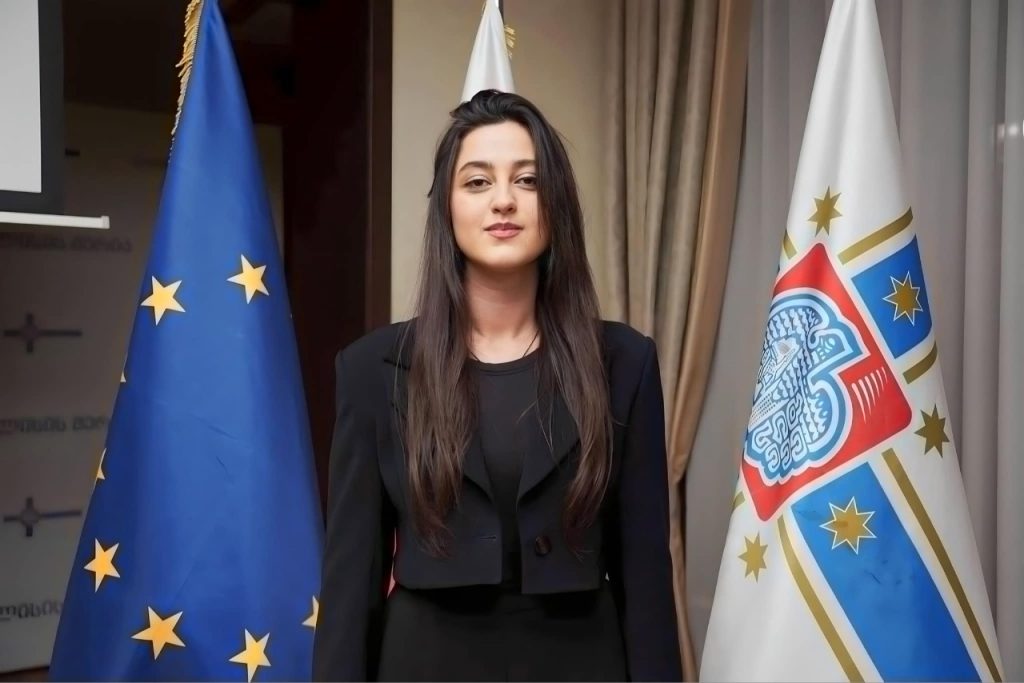
Ana Korti
Ana Korti is a political scientist, security scholar, and strategic communicator whose expertise spans defense studies, governance, youth diplomacy, and institutional leadership. As the Head of Project Management and a Board Member at the Thomas Jefferson Research Center (TJRC), she contributes to strategic development, organizational growth, and international cooperation. Her previous roles include serving as CEO and Director of the Defense and Security awareness and democratic resilience, and as Vice President and Head of Project Management at the International School of Intellect and Education (ISIE), where she oversaw international partnerships and leadership programs. Her experience further spans youth diplomacy, civil society engagement, and global development platforms, including work with the UN Global Compact Network Georgia, Tbilisi Youth Assembly, Georgian Association for Equality, and the Georgia Youth Alliance.
Academically, Ms. Korti holds a BA in Political Science from Tbilisi State University and is pursuing a Master’s in Security Studies at the Business and Technology University, alongside a second Master’s program at the University of Tuscia in Security and Human Rights. She has completed an extensive portfolio of international security certifications from globally recognized institutions such as the U.S. Department of Homeland Security Agency, and the National Guard of Georgia. Her qualifications include cyber security, counterterrorism, crisis management, counter intelligence, human rights, and hybrid-threat mitigation. Across all her roles, she actively advances democratic resilience, civic education, and security-sector professionalism, contributing to stronger public institutions and supporting Georgia’s Euro-Atlantic aspirations.
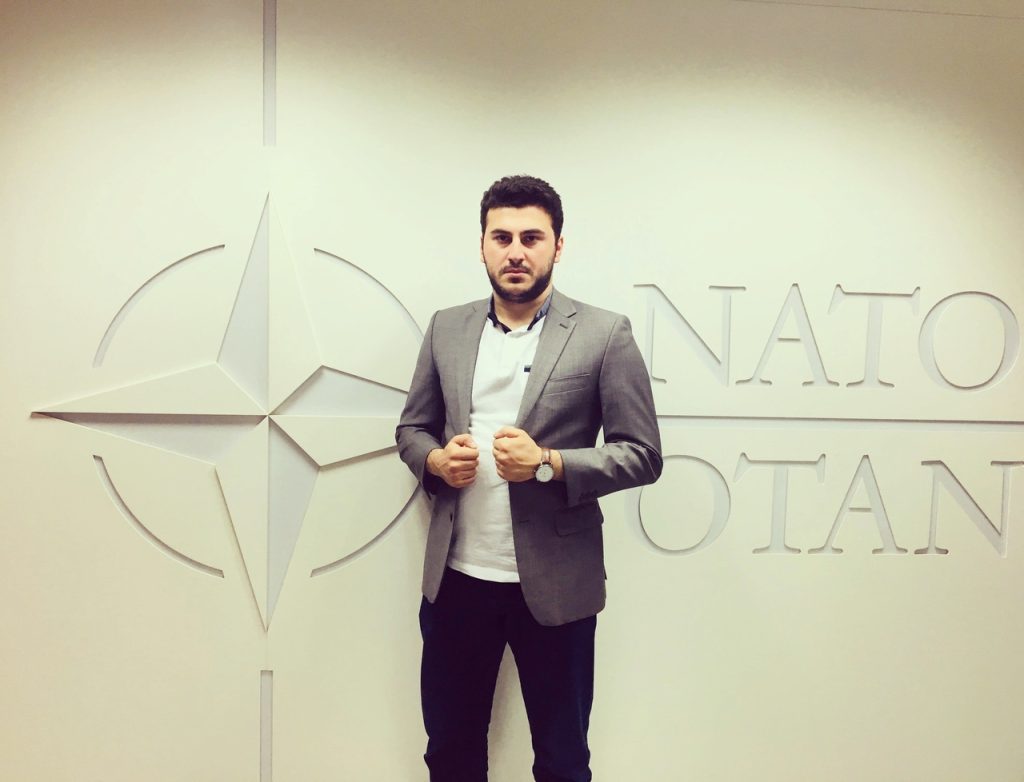
Zurab Gorgodze
The Head of International Relations at the Thomas Jefferson Research Center, where he focuses on security and international political studies, global cooperation, and strategic partnerships. Alongside his research background, he works as a sales professional in the hospitality sector, helping hotels strengthen their business development strategies and expand their international reach. His experience bridges diplomacy, research, and commercial strategy, allowing him to navigate complex global environments while driving growth and meaningful collaboration.
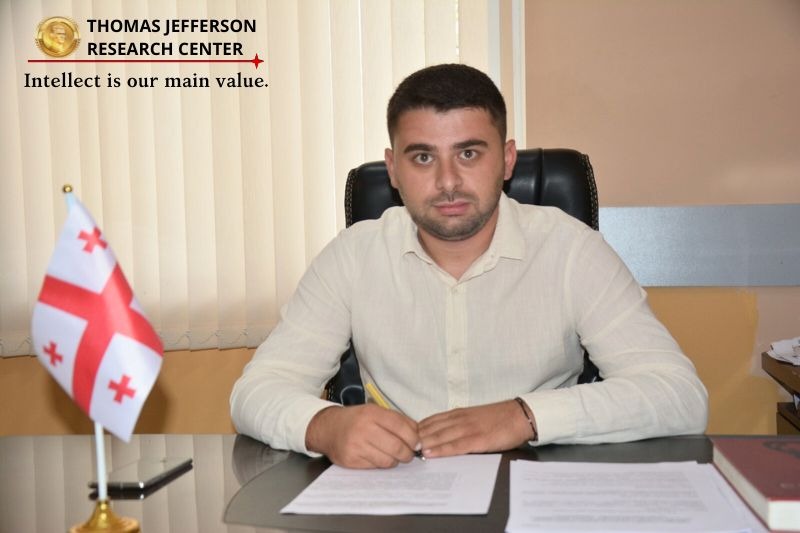
Akaki Tolordava
The Authorized and Youth Representative of the Thomas Jefferson Research Center in Western Georgia. He is a motivated and results-oriented professional with extensive experience working in youth organizations and the non-governmental sector.
Mr. Tolordava has served as both an organizer and a project manager for numerous projects. His core competencies in the sphere of interaction include strong communication skills, effective problem-solving, and high-level organization. He seeks to develop dynamically in an environment where he can contribute significantly to an organization’s success while simultaneously fostering his own professional growth.

Inola Gongadze
Ms. Gongadze serves as Deputy Director of Strategic Communication at the Thomas Jefferson Research Center. She brings a strong background in non-governmental leadership, strategic communication, and academic engagement.
Ms. Gongadze previously served as President of the Business Club at Georgian National University (SEU) during the 2024-2025 academic year. She has actively participated in international academic conferences, including The World Facing New Challenges, and is a co-author of a research paper published through the 6th Georgian Business Case Analysis and Simulation Competition.
Recognized for her disciplined, motivated, and results-oriented approach, Ms. Gongadze is committed to advancing strategic communication, research collaboration, and organizational development within international academic and policy-focused institutions.
Our Frameworks & Legitimacy
TJRC International operates both academic and treaty-based recognition, aligning with international legal and educational frameworks that safeguard indigenous and sovereign institutions. The Center’s foundational authority draws upon:
- Treaty of Windsor (1386) – Enduring recognition of sovereign alliance and educational exchange
- Treaty of Troyes (1420) – Foundation for cross-cultural governance
- Treaty of Canandaigua (1794) – Living Native–U.S. treaty affirming self-governance and diplomacy
- UNDRIP (2007) – United Nations Declaration on the Rights of Indigenous Peoples
- UNESCO Education Charters – Framework for cultural and academic cooperation
These pillars ensure that TJRC International functions with global parity and academic legitimacy, bridging governmental and scholarly domains.
What We Do:
Diplomatic Research & Policy Studies
We analyze treaties, international compact, and global policy to support ethical governance and sustainable development.
Academic & Cultural Exchange
TJRC International connects scholars, royal houses, and indigenous nations through programs promoting peace, sovereignty, and education.
Leadership & Governance Training
Through specialized seminars and research projects, TJRC trains leaders in diplomacy, cross-cultural governance, and institutional development.
Global Partnership Initiatives
To unite the diplomatic, academic, and cultural communities of the world through a shared pursuit of truth, peace, and progress – guided by history, strengthened by research, and inspired by humanity’s collective legacy.
Contact & Collaboration
For research partnerships, academic cooperation, or diplomatic initiatives, please reach us at:
info@tjrcinternational.org